October 10, 2026
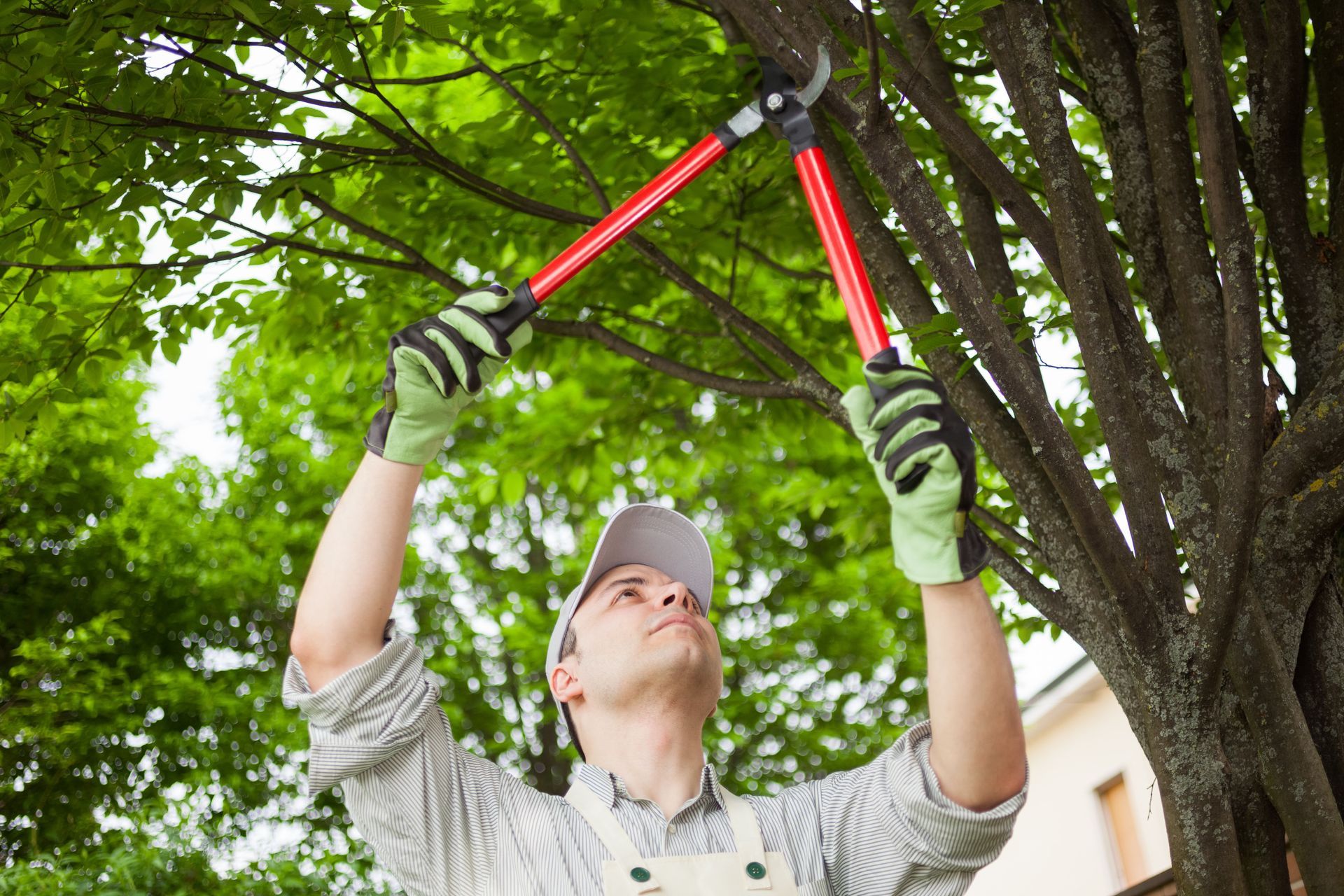
Trees contribute shade, beauty, and natural character to residential and commercial properties. However, keeping trees healthy requires more than occasional watering or allowing branches to grow without supervision. As trees mature, their branches can become crowded, damaged, or unevenly distributed, affecting their overall condition. Regular trimming helps remove problematic growth while encouraging a stronger and more manageable structure. It can also improve air circulation, reduce certain safety risks, and help trees maintain an attractive appearance throughout the year. Proper pruning requires an understanding of tree growth patterns, seasonal conditions, and the needs of different species. Professional tree service can help property owners identify which branches require attention and determine an appropriate trimming approach. With consistent care, trees can remain healthier and better suited to their surroundings.
Removing Dead and Damaged Branches
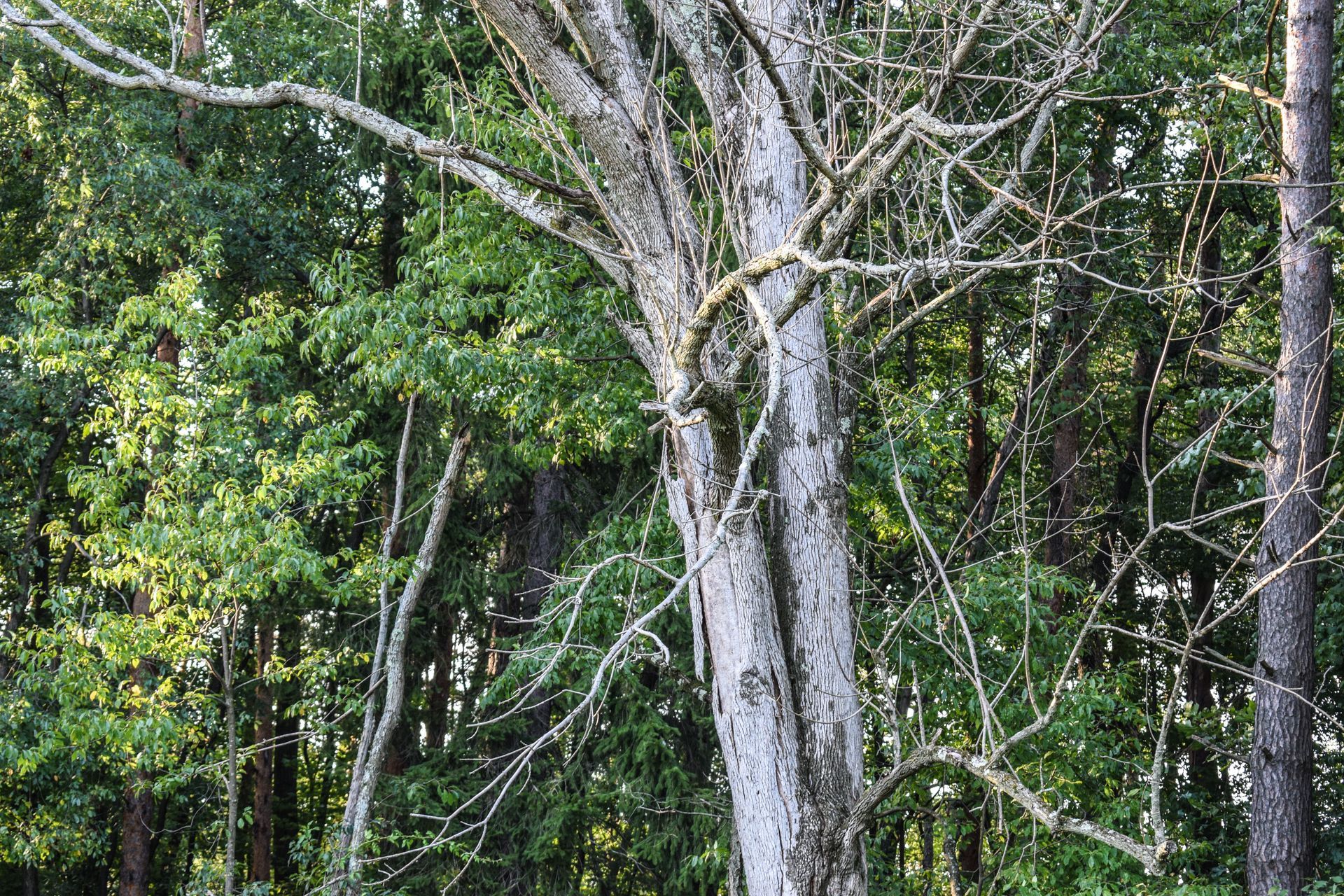
Dead and damaged branches can affect a tree's appearance and create potential hazards around a property. These branches may break during strong winds, heavy rainfall, or other challenging weather conditions. Removing them helps reduce the amount of weakened material remaining in the canopy. Trimming also allows property owners to address damaged limbs before they affect nearby branches or structures. A professional tree service can assess the canopy and identify branches that should be removed safely. Proper cuts help limit unnecessary damage to healthy portions of the tree. Removing unhealthy growth can also make it easier to monitor the tree for additional signs of deterioration. Regular inspections and appropriate trimming help maintain a stronger, safer tree structure.
Improving Air Circulation and Sunlight
Dense canopies can prevent sunlight and air from reaching different portions of a tree. When branches become overcrowded, interior leaves may receive less light than the outer canopy. Limited airflow can also create conditions that allow moisture to remain on leaves and branches for longer periods. Selective trimming helps open the canopy while preserving the tree's natural shape. A qualified tree service can determine which branches should be removed to improve light penetration without excessive pruning. Better sunlight distribution can support photosynthesis and healthy foliage development. Improved airflow may also help the canopy dry more efficiently after rain. Maintaining an appropriate branch structure supports healthier growth while keeping the tree visually balanced.
Encouraging Stronger Branch Development
The way a tree develops its branches can influence its long-term strength and stability. Crossing branches may rub against each other, creating wounds that leave the tree vulnerable to additional damage. Closely spaced limbs can also compete for growing space and contribute to an uneven canopy. Strategic trimming removes selected branches so the remaining structure has room to develop. Professional tree service can identify weak branch attachments and growth patterns that may require corrective pruning. Removing competing limbs can help guide the tree toward a more balanced structure as it matures. However, excessive trimming can weaken a tree and interfere with its natural development. Careful pruning that respects the tree's species and condition helps support healthy growth over time.
Reducing the Spread of Tree Diseases
Diseased branches can sometimes serve as sources of infection that affect other parts of a tree. Discolored leaves, unusual growth, dead twigs, and damaged bark may indicate a developing problem. Trimming affected branches can help remove certain sources of infection when performed at the appropriate time and in the correct manner. Tools and cutting practices should also be managed carefully to avoid spreading disease between plants. A knowledgeable tree service can inspect visible symptoms and determine whether pruning is appropriate or whether additional treatment may be needed. Not every tree disease can be controlled through trimming alone, so accurate assessment is important. Removing affected material can improve the tree's appearance while supporting an integrated care plan. Regular monitoring helps property owners recognize problems before they become more extensive.
Maintaining Safe Clearance Around Property
Trees need adequate space to grow without interfering with buildings, driveways, sidewalks, and other landscape features. Branches that extend too close to structures may scrape roofs, obstruct walkways, or create problems during storms. According to This Old House, trees should generally be kept at least 15 feet from houses, sidewalks, driveways, and other trees to provide room for growth and help prevent pavement damage. Existing trees cannot always be relocated easily, so their growth patterns and surrounding conditions should be evaluated carefully. A professional tree service can trim branches that interfere with access, visibility, or nearby structures. Appropriate clearance can also help reduce contact between branches and roofs, windows, and exterior fixtures. Property owners should remember that trimming cannot correct every problem caused by a tree planted in an unsuitable location. Careful maintenance combined with appropriate planting decisions helps trees coexist more effectively with developed spaces.
Managing Tree Size and Natural Shape
Trees can grow beyond the space available for them, particularly when their mature size was not considered during planting. Uncontrolled growth may create an unbalanced appearance or cause branches to extend into neighboring areas. Selective pruning helps manage the canopy while preserving the tree's natural form. A professional tree service can recommend an approach that suits the species, growth rate, and location of the tree. Proper trimming focuses on selected branches rather than removing large amounts of healthy growth without a clear purpose. Maintaining a balanced canopy can also help distribute the weight of branches more evenly. Property owners should avoid aggressive topping, which can lead to weak regrowth and lasting damage. Thoughtful size management helps trees remain attractive while accommodating the surrounding landscape.
Supporting Healthy Seasonal Growth
Different tree species respond to pruning in different ways, making timing an important part of proper care. Some trees benefit from trimming during dormant periods, while others may require attention at different times depending on their condition and flowering patterns. Weather, local climate, and the presence of disease can also influence the best time for specific work. Pruning at an unsuitable time may cause unnecessary stress or reduce flowering in certain species. An experienced tree service can evaluate the tree and recommend a schedule suited to its needs. Seasonal inspections also provide opportunities to identify storm damage and emerging structural concerns. Consistent care helps property owners address developing issues before they become more difficult to manage. Following an appropriate maintenance schedule supports steady growth and healthier trees over the long term.
Building a Consistent Tree Care Routine
Tree trimming is most effective when it forms part of a broader maintenance plan. Property owners can monitor their trees for dead branches, unusual leaf changes, leaning trunks, and visible damage throughout the year. Watering needs, soil conditions, mulch placement, and protection from mechanical damage can also influence tree health. Keeping notes about previous trimming and other maintenance activities makes it easier to recognize changes over time. A dependable tree service can provide professional assessments when trees show signs of stress or require more extensive pruning. Regular evaluations can help distinguish routine maintenance needs from problems that may require additional attention. Avoiding unnecessary cuts is equally important because trees need healthy foliage to produce energy and support development. A balanced care routine helps preserve both the health and appearance of trees as they mature.
Proper trimming can improve branch structure, remove damaged growth, support sunlight penetration, and help trees remain compatible with their surroundings. The best approach depends on the tree's species, condition, age, and location. Excessive or poorly performed pruning can create additional problems, making careful assessment essential. Regular maintenance gives property owners a practical way to identify concerns and support healthier growth before issues become more serious.
Cameron Tree Service can help property owners maintain their trees through appropriate trimming and professional tree care. Contact us to discuss your trees' condition and schedule the care needed to support healthy growth, attractive canopies, and a safer outdoor environment.