September 8, 2026
Trees can add shade, beauty, and character to a property, but damaged or unstable trees can create serious safety concerns. Problems may develop slowly, making them difficult to notice until a branch breaks or a tree begins to lean. Recognizing warning signs early can help people take appropriate action before a tree causes property damage or injury. This article explains common signs of dangerous trees, what can cause these problems, and why seeking professional help is important when serious concerns appear.
Watching for Visible Damage
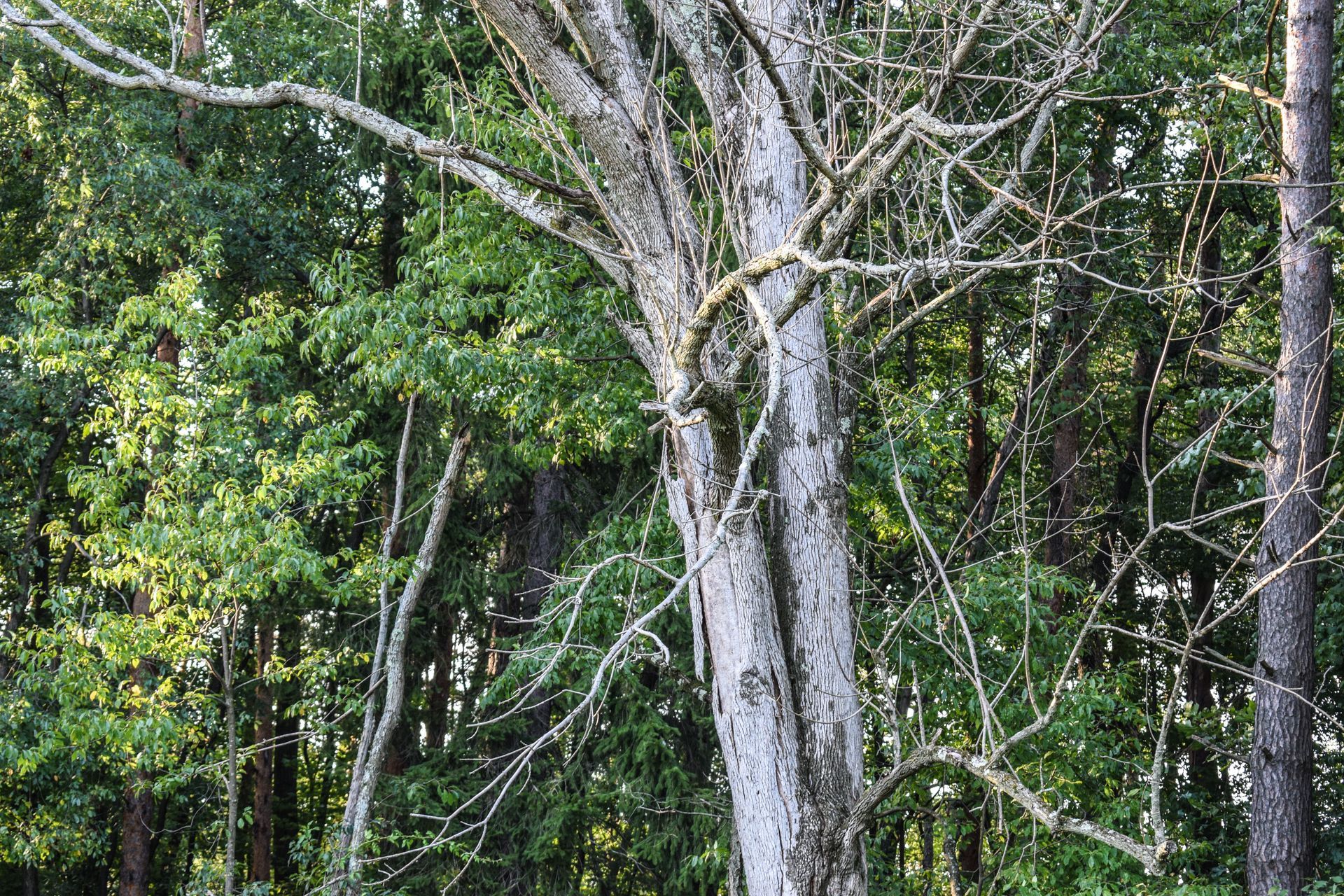
One of the clearest signs of a potentially dangerous tree is visible damage. Cracks, broken branches, damaged bark, and large areas of decay can indicate that the tree has structural problems. While some surface damage may not create an immediate hazard, larger or deeper damage can weaken important parts of the tree. Large cracks deserve particular attention, especially when they appear where major branches connect to the trunk. Cracks can become larger over time as the tree moves in wind or responds to changes in weather. Split branches may also fall unexpectedly if their structure becomes too weak to support their weight. Storms can create additional damage that is not always easy to see from the ground. High winds, lightning, and heavy rain can affect branches and roots. After severe weather, seeking professional help can provide a better understanding of whether a tree has developed safety concerns.
Noticing Changes in Tree Structure
Changes in the shape or structure of a tree can also provide important warning signs. A tree that suddenly begins leaning may have problems with its roots, trunk, or surrounding soil. A slight natural angle is not always a concern, but a new or rapidly increasing lean deserves attention. Uneven growth can also affect stability. Large branches that extend heavily to one side may place additional weight on the tree. Dead branches near the upper portion of the tree can become difficult to spot but may still present a falling hazard. Trees may also develop unusual gaps, weak branch connections, or areas where the trunk appears to be separating. These changes can become more serious when combined with decay, storm damage, or other structural problems. Tree services can help evaluate these conditions and determine whether additional action is needed.
Identifying Signs of Decay
Decay can weaken a tree from the inside, which means serious problems may exist even when the exterior looks relatively healthy. Soft or damaged areas of bark, cavities, fungal growth, and sections of dead wood may indicate that decay is present. Fungi growing on or near the trunk can sometimes be associated with internal wood decay. The presence of fungi does not automatically mean a tree is about to fall, but it can be a reason to seek a professional evaluation. Hollow sections can also affect structural strength. Some trees naturally develop cavities without immediately becoming unsafe, while larger cavities can reduce the amount of solid wood supporting the tree. Tree services can help assess visible signs of decay along with the tree's overall condition.
Checking for Root Problems
Healthy roots provide much of a tree's support, so problems below ground can create significant concerns. Root damage may occur because of soil erosion, construction activity, changing moisture conditions, disease, or other environmental factors. Visible roots that have become damaged or exposed may indicate that the tree has lost some of its normal support. Soil that has shifted around the base of a tree can also be a warning sign, particularly when paired with leaning or movement. Changes near the trunk can provide additional clues. Raised soil, cracks in the ground, or an unusual gap between the roots and surrounding soil may suggest movement. Because much of a root system is hidden, these concerns can be difficult to evaluate without professional knowledge. Seeking tree services can help identify potential root-related hazards before they become more serious.
Recognizing Dead or Weak Branches
Dead branches can become hazardous as they lose strength. They may break during storms, periods of high wind, or even under their own weight. Larger dead branches are a bigger concern when they extend over areas where people, vehicles, buildings, or other property are located. Branches with little or no foliage during a growing period may be dead or declining. Loose bark, cracks, and broken connections can also indicate that a branch has weakened. Some branches may look healthy from a distance while having internal damage. Regular attention to visible branch conditions can help identify changes before they become major problems. Tree services can be used to evaluate branches that appear unstable and determine what steps may be appropriate for the specific situation.
Understanding Environmental Risks
A tree's surroundings can affect its stability. Changes in soil conditions, repeated storms, flooding, drought, nearby construction, and other environmental factors may place additional stress on trees. Trees growing near structures or areas with frequent foot or vehicle traffic can present greater consequences if a large branch or the entire tree fails. Location does not necessarily make a tree dangerous, but it can increase the potential impact of a failure. Invasive species can also contribute to structural weakness. According to WifiTalents, 80% of emergency tree removals are required due to invasive species weakening the structure. This highlights how pests and invasive species can play a role in tree safety concerns. Changes in bark, unusual holes, declining foliage, or other signs of infestation may warrant further evaluation.
Observing Seasonal Changes
Trees naturally change throughout the year, so seasonal conditions should be considered when evaluating their appearance. Some leaf loss, changes in color, and dormant periods are normal. Other changes may point to stress, disease, or declining health. A tree that repeatedly shows poor growth, dead sections, or unusual leaf loss may need closer attention. Sudden changes are particularly important because they may indicate a new environmental or structural problem. Weather can also affect how a tree appears. Heavy rain may soften surrounding soil, while strong winds can expose weaknesses in branches or roots. Observing changes over time can provide useful information when seeking professional help.
Responding to Immediate Hazards
Some tree problems require prompt attention because they create an immediate risk. A tree that is leaning significantly, has a large split in the trunk, has partially fallen, or has major branches hanging over an occupied area should be treated as a potential hazard. Trees damaged during storms can be especially unpredictable. A broken branch may remain suspended in the canopy, while a damaged trunk may become unstable without falling right away. People should avoid placing themselves near visibly unstable trees while waiting for an appropriate evaluation. Tree services can help assess hazardous conditions and determine what type of response is appropriate. Prompt attention may reduce the chance of additional damage, particularly when structural problems are already visible.
Trees provide many benefits, but their condition should be monitored when warning signs appear. Cracked trunks, dead branches, decay, root problems, sudden leaning, and unusual changes in growth can all indicate that a tree needs closer attention. Taking these signs seriously can help reduce the chance of unexpected damage. It is also important to consider the location of a tree and what could be affected if a branch or tree were to fall. Seeking professional help is a practical step when serious concerns appear. Professional evaluations can provide useful information about the tree's condition and the potential risks surrounding it. If you need help with assessing a potentially hazardous tree, contact Cameron Tree Service for dependable tree services focused on keeping your property safer and better maintained.